/filters:format(jpeg,png)/fit-in/300x300/users/8e209950-cec7-4b1b-8e40-47a8b4d0e0b6/company-logo/download7.jpeg)
/filters:format(jpeg,png)/fit-in/237x80/users/8e209950-cec7-4b1b-8e40-47a8b4d0e0b6/company-logo/download7.jpeg)

Florida Fishing Charters: Complete Captain Selection Guide
%2Ffit-in%2F1000x1000%2Ffilters%3Aformat(webp)%2Fusers%2F8e209950-cec7-4b1b-8e40-47a8b4d0e0b6%2Fprofile%2F1763553943396-mi5ylx6g.webp&w=1920&q=75)
Updated: September 18, 2026
Florida Fishing Charters: Your Complete Guide to Selecting the Perfect Captain
Florida's expansive coastline offers some of North America's finest saltwater fishing opportunities, but your success depends largely on one crucial decision: selecting the right captain. The difference between a mediocre day on the water and an epic fishing adventure often comes down to the expertise, local knowledge, and professionalism of your charter guide. With hundreds of Florida fishing charters operating from Key West to Pensacola, knowing how to evaluate and choose the perfect captain can transform your fishing experience from ordinary to extraordinary.
Understanding Florida's Diverse Fishing Charter Landscape
Florida's fishing charter industry spans over 1,350 miles of coastline, encompassing everything from shallow backcountry flats to deep Gulf Stream waters. The state's unique geography creates distinct fishing zones, each requiring specialized knowledge and techniques. Professional fishing guides operating in the Keys target different species than those working the Panhandle's emerald waters or the Atlantic's structure-rich environment.
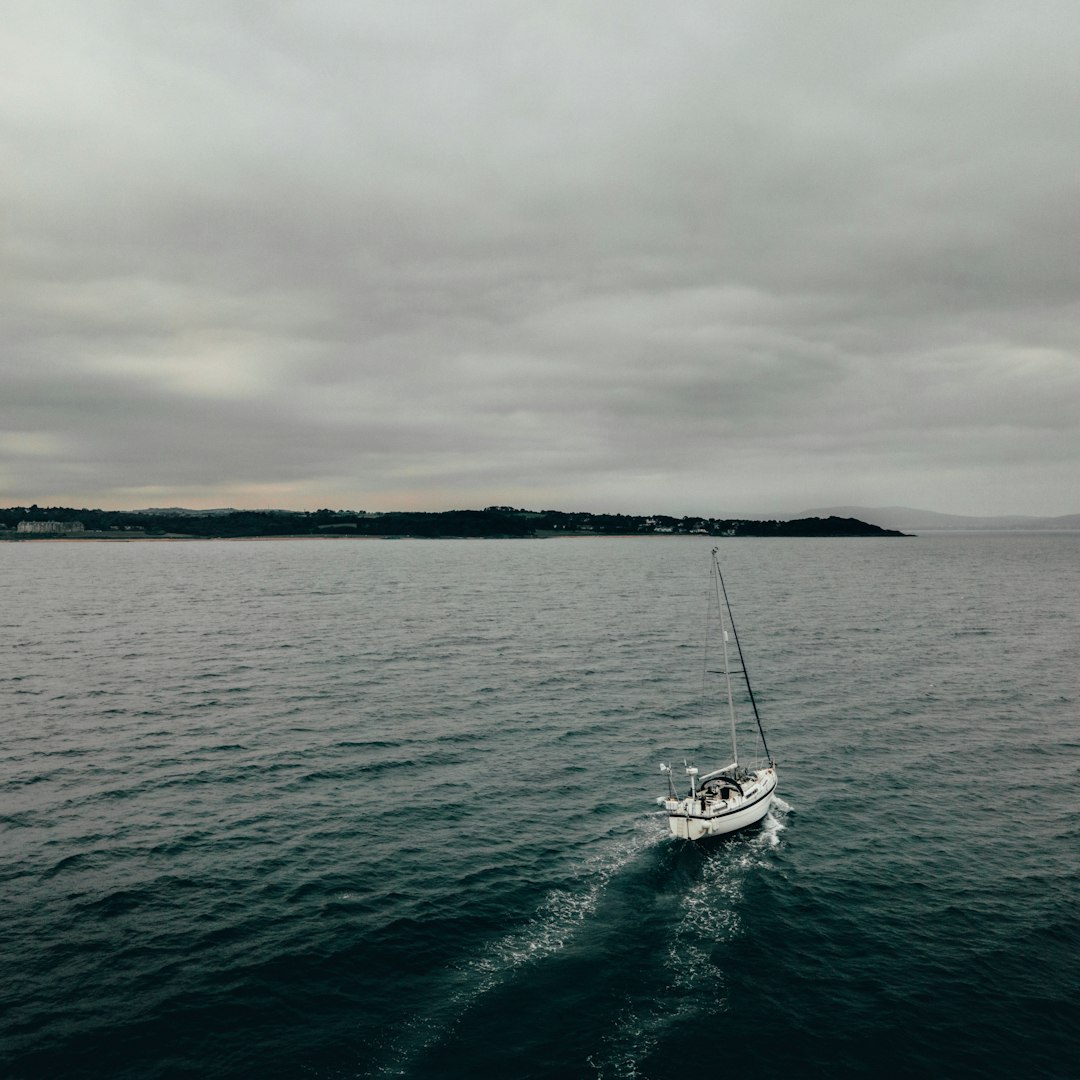
This diversity means your captain selection process should align with your specific fishing goals. A tarpon specialist working the bridges of the Lower Keys operates with completely different expertise than a grouper and snapper guide running offshore trips from Panama City. Understanding these regional specializations helps narrow your search significantly.
Essential Qualifications Every Charter Captain Should Possess
Before evaluating personality or fishing philosophy, verify your potential captain holds proper licensing. Every legitimate charter operation requires a U.S. Coast Guard Captain's License (officially called Operator of Uninspected Passenger Vessels), current vessel safety inspection certificates, and comprehensive insurance coverage.
Beyond paperwork, experienced captains demonstrate extensive local knowledge that comes only from years on the water. They understand seasonal fish movements, weather patterns, tide influences, and how these factors interact. When interviewing potential guides, ask specific questions about recent fishing conditions, their preferred fishing spots for current seasonal patterns, and backup plans when weather doesn't cooperate.
Evaluating Experience and Specialization
Years of experience matter, but specialized expertise in your target species matters more. A captain with fifteen years guiding light tackle inshore trips might not be your best choice for deep-sea marlin fishing, regardless of their overall experience level. Florida fishing charters often specialize in specific techniques or target species – some excel at fly fishing for tarpon, others focus on family-friendly reef fishing, and still others chase pelagic species in blue water.
Review their recent fishing reports, photos, and client testimonials. Legitimate professional fishing guides maintain active social media presence or websites showcasing recent trips. Pay attention to fish handling practices in photos – proper catch-and-release techniques indicate conservation-minded captains who understand sustainable fishing practices.
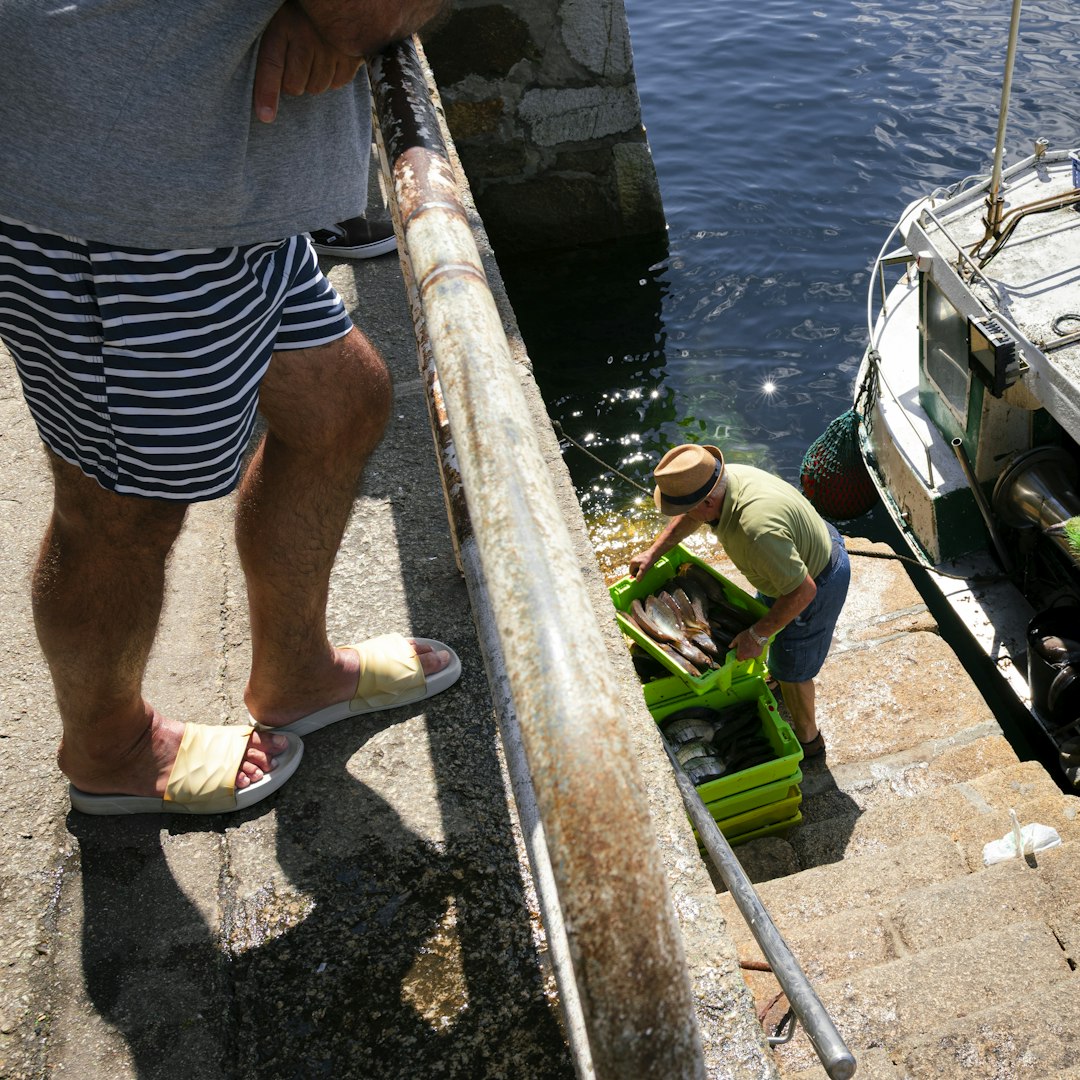
Communication Style and Trip Customization
Exceptional captains tailor each trip to their clients' skill levels, interests, and physical capabilities. During initial conversations, notice whether they ask detailed questions about your experience, preferred fishing methods, and expectations. Quality guides probe deeper than "What do you want to catch?" – they investigate your comfort level with different techniques, seasickness susceptibility, and group dynamics.
Clear communication extends beyond trip planning. Professional captains explain techniques, share local knowledge, and adjust instruction style based on individual learning preferences. They should discuss realistic expectations based on seasonal conditions, weather forecasts, and recent fishing patterns rather than making unrealistic promises.
Safety Standards and Equipment Quality
Safety consciousness separates professional operations from casual weekend warriors turned guides. Experienced captains maintain well-equipped vessels with current safety gear, regularly serviced engines, and backup systems for critical equipment. They conduct safety briefings, enforce proper life jacket policies, and carry comprehensive first aid supplies.
Equipment quality reflects operational standards. Professional charter boats feature properly maintained fishing gear, sharp hooks, fresh bait, and tackle appropriate for target species. The best Florida fishing charters invest in high-quality rods, reels, and terminal tackle because equipment failures ruin fishing trips faster than poor weather conditions.
Pricing Structure and Value Assessment
Charter fishing represents a significant investment, making value assessment crucial. However, the cheapest option rarely provides the best experience. Quality captains price their services to reflect vessel maintenance costs, fuel expenses, equipment replacement, insurance coverage, and fair compensation for their expertise.
Transparent pricing includes detailed explanations of what's included versus additional costs. Professional operations clearly outline fuel policies, cleaning fees, equipment rental charges, and gratuity guidelines upfront. Hidden fees or vague pricing structures often indicate operational issues that surface during your trip.
Ready to book your Florida fishing adventure? Contact our recommended charter captains who meet these professional standards and let their expertise guide you to an outstanding day on the water.
Reading Reviews and References Effectively
Online reviews provide valuable insights, but reading them strategically yields better information. Look for detailed reviews describing specific aspects like captain knowledge, boat condition, safety practices, and fish-catching success. Generic five-star reviews with minimal detail carry less weight than detailed three or four-star reviews explaining both positives and areas for improvement.
Recent reviews matter more than older testimonials, especially in Florida's dynamic fishing environment where regulations, fish populations, and access points change regularly. Captains who consistently receive positive feedback about their adaptability, patience with beginners, and ability to find fish under challenging conditions demonstrate the expertise you want.
Making Your Final Decision
After researching qualifications, specializations, and reviews, trust your instincts about personality fit. You'll spend six to eight hours with your captain in relatively close quarters – compatibility matters. Professional guides balance friendliness with focus, maintaining enjoyable conversation while staying alert to fishing opportunities and safety considerations.
Consider booking shorter trips initially with new captains before committing to full-day adventures or multiple-day packages. Half-day trips provide opportunities to evaluate their skills, boat condition, and teaching ability without major time or financial commitments.
Selecting the right captain transforms charter fishing from expense into investment. Professional fishing guides with proper credentials, specialized expertise, quality equipment, and genuine passion for sharing Florida's fishing opportunities create memories lasting far beyond your trip. Take time researching potential captains, ask detailed questions, and choose guides whose experience aligns with your fishing goals. The perfect Florida fishing charter experience awaits with the right captain at the helm.


