/filters:format(jpeg,png)/fit-in/300x300/users/8e209950-cec7-4b1b-8e40-47a8b4d0e0b6/company-logo/download7.jpeg)
/filters:format(jpeg,png)/fit-in/237x80/users/8e209950-cec7-4b1b-8e40-47a8b4d0e0b6/company-logo/download7.jpeg)

How Ananya Fishing Charters Revolutionized Adventure Tourism
%2Ffit-in%2F1000x1000%2Ffilters%3Aformat(webp)%2Fusers%2F8e209950-cec7-4b1b-8e40-47a8b4d0e0b6%2Fprofile%2F1763553943396-mi5ylx6g.webp&w=1920&q=75)
Updated: September 18, 2026
How Ananya Fishing Charters Revolutionized Adventure Tourism Across India
India's adventure tourism landscape underwent a dramatic transformation when a visionary company decided to bridge the gap between traditional fishing practices and modern tourism expectations. What started as a small operation has grown into a nationwide phenomenon that connects travelers with authentic fishing experiences across the subcontinent's diverse waterways. From the pristine waters of Kashmir's high-altitude lakes to the tropical coastlines of India's western shores, this evolution represents more than just business growth—it's a testament to how innovative thinking can reshape an entire industry.
The Genesis of Modern Fishing Tourism
Before the establishment of organized fishing charter services, India's adventure tourism sector largely overlooked the potential of recreational angling. Traditional fishing remained the domain of local communities, while tourists were limited to observing from afar or participating in basic, unstructured activities. The gap between authentic local knowledge and tourist accessibility created a significant opportunity.

Ananya Fishing Charters recognized this untapped potential and began developing structured programs that honored traditional practices while meeting international tourism standards. Their approach differed fundamentally from conventional tour operators by prioritizing education, conservation, and genuine cultural exchange over simple entertainment.
Pioneering Professional Guide Standards
One of the most significant contributions to India's adventure tourism sector came through the development of comprehensive training programs for professional fishing guides. These weren't just boat operators or local fishermen pressed into service—they were skilled professionals who understood both the technical aspects of angling and the cultural significance of fishing traditions across different regions.
The training encompassed safety protocols, species identification, sustainable fishing practices, and cultural storytelling. Guides learned to share the rich history of places like Dal Lake Srinagar, where fishing has sustained communities for centuries, while ensuring visitors understood their role in preserving these traditions for future generations.
Expanding Beyond Traditional Boundaries
The revolution extended far beyond freshwater fishing experiences. Recognizing India's extensive coastline and marine biodiversity, the charter service expanded operations to include coastal adventures along destinations like the Goa beaches. This diversification introduced travelers to the stark contrasts between high-altitude angling in Kashmir and tropical fishing experiences along the Arabian Sea.
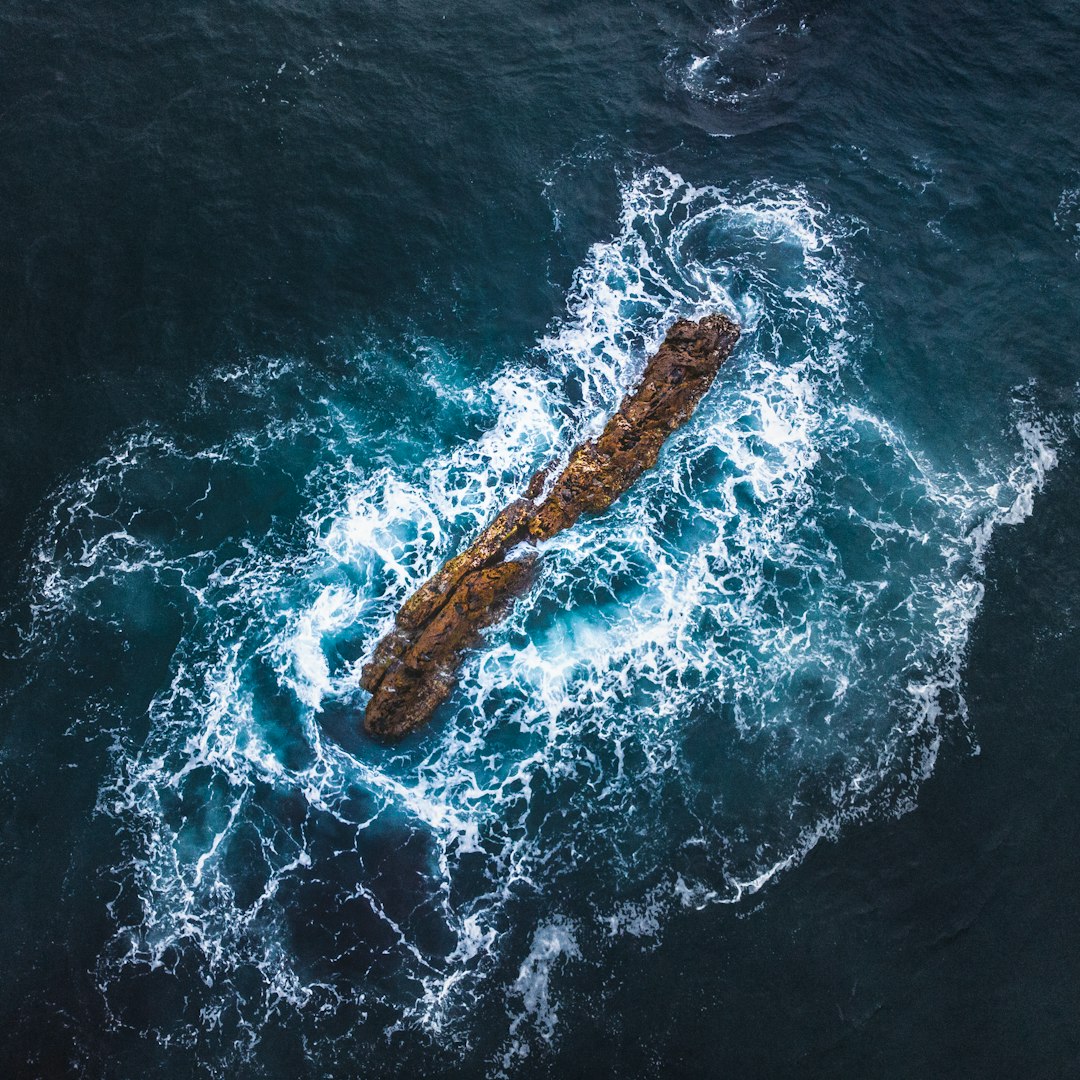
Each location demanded specialized knowledge and equipment. The company invested heavily in understanding local ecosystems, seasonal patterns, and traditional techniques specific to each region. A fishing guide working the backwaters near Goa required completely different expertise from one operating on Dal Lake Srinagar, yet both needed to deliver experiences that met the same high standards.
Integration with Complementary Adventures
The charter service's influence extended beyond fishing alone. By partnering with local operators and developing complementary activities, they created comprehensive adventure packages. Travelers could combine angling experiences with activities like scuba diving along coastal regions, where underwater exploration revealed the marine ecosystems they were fishing above.
This integrated approach meant that a week-long adventure might include morning fishing sessions, afternoon cultural tours, and evening wildlife observation. The company served as a central coordinator, ensuring quality control across all activities while maintaining their core focus on fishing excellence.
Technology Meets Tradition
Modern technology played a crucial role in the transformation. GPS fish finders, weather monitoring systems, and communication equipment enhanced safety and success rates without diminishing the authentic character of the experiences. Digital platforms allowed for better booking systems, customer communication, and resource management.
However, technology complemented rather than replaced traditional knowledge. Local guides still read water conditions using methods passed down through generations, identified optimal fishing spots based on seasonal patterns their families had observed for decades, and selected techniques that respected both the environment and cultural practices.
Ready to experience this revolutionary approach to adventure tourism? Contact Ananya Fishing Charters to plan your authentic Indian fishing adventure with expert professional fishing guides who bring both traditional knowledge and modern standards to your journey.
Conservation and Sustainable Tourism
Perhaps the most lasting impact of this tourism revolution lies in its approach to conservation. Rather than exploiting natural resources for short-term profit, the charter service implemented catch-and-release policies, educated visitors about ecosystem preservation, and supported local conservation initiatives.

This philosophy influenced other adventure tourism operators across India. The success demonstrated that sustainable practices could enhance rather than limit profitability, encouraging industry-wide adoption of more responsible approaches to natural resource utilization.
Economic Impact on Local Communities
The ripple effects extended deep into local economies. Traditional fishermen found new income streams as guides and boat operators. Local craftsmen produced specialized equipment. Restaurants and accommodation providers benefited from increased tourism to previously overlooked destinations.
Communities around Dal Lake Srinagar saw tourism revenues diversify beyond traditional houseboats and sightseeing. Coastal villages near popular Goa beaches discovered that their fishing knowledge had commercial value beyond subsistence, creating sustainable income opportunities that didn't require abandoning traditional lifestyles.
Setting New Industry Standards
The success of Ananya Fishing Charters established benchmarks that influenced adventure tourism operators nationwide. Safety protocols, guide certification standards, equipment quality expectations, and customer service levels all improved across the industry as competitors sought to match the new standards.
Travel guides began featuring fishing experiences as legitimate adventure activities worthy of dedicated coverage. International travel publications took notice, bringing global attention to India's fishing tourism potential and attracting visitors specifically seeking these experiences.
The transformation of India's adventure tourism landscape through innovative fishing charter services demonstrates how visionary thinking can create entirely new market segments while preserving cultural traditions and supporting local communities. By combining traditional fishing knowledge with modern tourism standards, Ananya Fishing Charters didn't just build a successful business—they established a template for sustainable adventure tourism that continues to influence operators across the country. Today's travelers can access authentic fishing experiences from the high-altitude waters of Kashmir to the tropical coasts of western India, all while contributing to conservation efforts and local economic development.


